Introduction
Electric vehicles (EVs) are rapidly changing the way we think about transportation. With no internal combustion engine, fewer moving parts, and lower maintenance requirements, EVs are often seen as a simpler and cleaner alternative to traditional vehicles.
But this has also led to a common misconception—many people believe that electric vehicles do not require lubricants at all.
In reality, EVs still depend on specialized lubricants and fluids to ensure smooth operation, efficiency, and long-term durability.
Do Electric Vehicles Really Need Lubricants?
Yes, electric vehicles do require lubricants—just not in the same way as conventional vehicles.
While EVs eliminate the need for engine oil, they still include several critical systems that rely on lubrication to function effectively. These lubricants are specifically designed to meet the unique requirements of electric mobility.
Where Are Lubricants Used in EVs?
Even without an engine, EVs have multiple components where lubrication plays a vital role:
1. Electric Motors and Bearings
Electric motors contain high-speed moving parts such as bearings. These components require greases to reduce friction, prevent wear, and ensure smooth operation over time.
2. Gearboxes and E-Transmissions
Most EVs use a reduction gearbox to transfer power from the motor to the wheels. These systems rely on specialized transmission fluids to maintain efficiency and protect internal components.
3. Thermal Management Systems
EV batteries and power electronics generate significant heat during operation. Cooling fluids are used to regulate temperature, helping maintain performance and extend battery life.
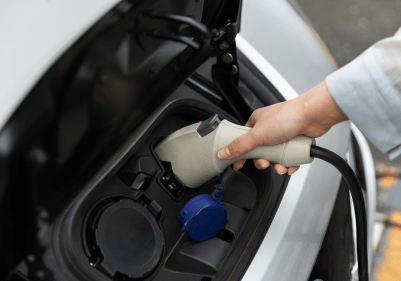
4. Charging Interfaces and Connectors
Charging systems are exposed to frequent use and environmental conditions. Protective lubricants can help reduce wear, minimize corrosion, and improve long-term reliability.
Why Lubrication Is Still Important in EVs
Lubrication in electric vehicles is not about engines—it’s about protecting critical systems and maintaining efficiency.
Key benefits include:
- Reduced friction and wear
- Improved energy efficiency
- Effective heat management
- Longer component lifespan
- Quieter and smoother operation
Without proper lubrication, even advanced electric systems can experience performance issues over time.
How EV Lubricants Differ from Traditional Oils
Lubricants used in EVs are more specialized than conventional engine oils. They are designed to meet new technical challenges, including:
- Compatibility with electrical components
- Low viscosity for improved efficiency
- High thermal stability
- Enhanced durability under varying conditions
This makes EV lubrication an evolving and highly advanced field within the automotive industry.
Why Many People Are Still Unaware
The idea that EVs are “maintenance-free” has led to widespread misunderstanding.
In reality:
- EVs require less maintenance, not zero maintenance
- Lubrication needs are different, not eliminated
As electric mobility continues to grow, awareness of these factors is becoming increasingly important for both consumers and businesses.
Conclusion
Electric vehicles are shaping the future of transportation, offering cleaner and more efficient mobility solutions. However, they still rely on essential systems that require proper care and maintenance.
Lubricants may no longer be used in engines, but they continue to play a crucial role in ensuring the reliability, safety, and performance of electric vehicles.
Understanding this helps create a more accurate picture of EV technology and supports better decision-making in a rapidly evolving industry.
About Petrogulf Lubricants
Petrogulf Lubricants is committed to supporting evolving mobility and industrial needs by providing high-quality lubrication solutions across automotive and industrial sectors. As technology advances, the focus remains on reliability, performance, and adapting to the changing demands of modern applications.

Oli Mesin Mobil Konvensional vs Listrik – Bravo Motor – Honda Auto Parts
[…] akan menemukan beberapa komponen yang memerlukan pelumas, seperti motor listrik, gearbox, dan sistem pendingin. Pelumas ini membantu mengurangi gesekan, meningkatkan efisiensi, […]